In modern kitchen storage design, kitchen storage shelves have become an important tool for improving space utilization. Among the many types, multi-layer kitchen storage shelves, with their “vertical expansion” feature, are attracting increasing attention from users.
So the question arises: are multi-layer kitchen storage shelves really more practical?
Many people fall into a misconception when choosing kitchen storage shelves—the more layers, the better. However, the practicality of a multi-layer design is not simply a matter of the number of layers, but is closely related to the spatial structure, usage habits, load-bearing capacity, and layout logic.
This article will focus on the core question of “are multi-layer kitchen storage shelves more practical,” systematically analyzing it from multiple perspectives such as space utilization, structural design, usage efficiency, and applicable scenarios to help you fully understand the value of multi-layer kitchen storage shelf designs.
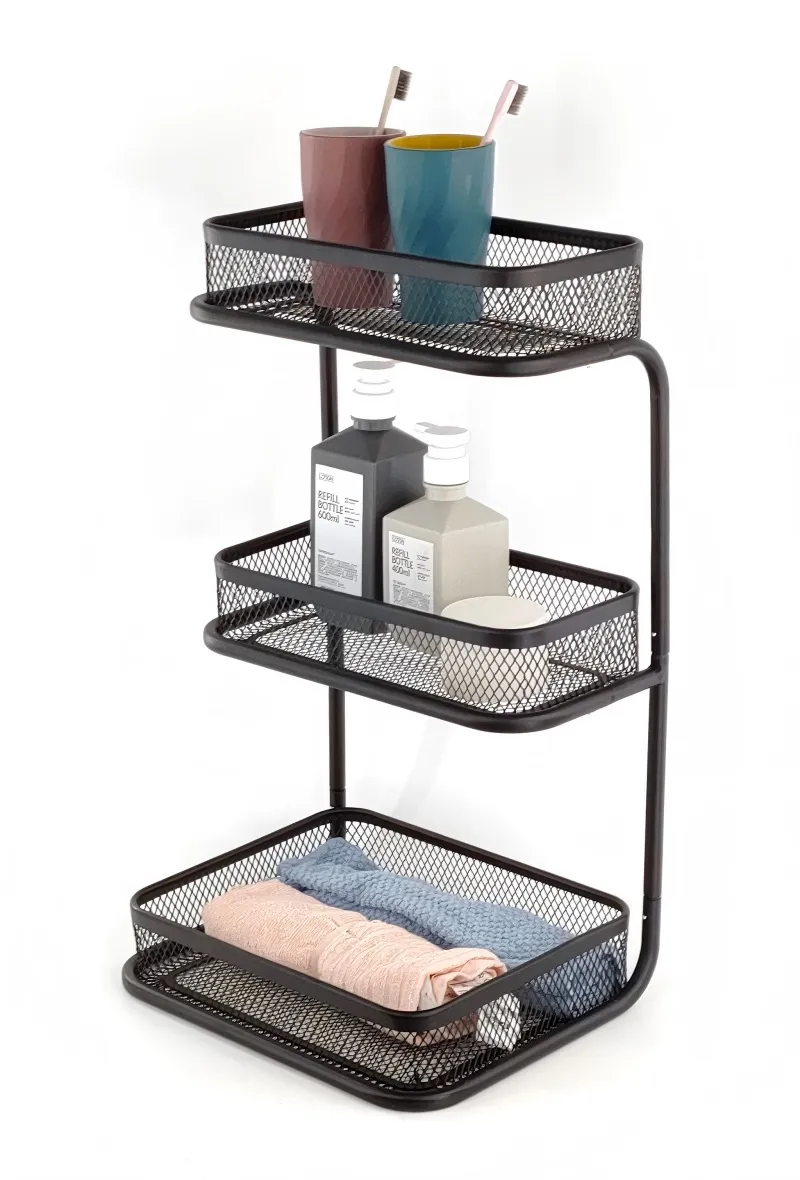
Essentially, the biggest advantage of multi-layer kitchen storage shelves lies in upgrading horizontal storage to vertical storage.
Traditional single-layer storage only utilizes flat space, while multi-layer kitchen storage racks increase storage capacity within the same floor area by adding layers.
The multi-layer structure allows different types of items to be placed on separate shelves, for example:
• Top shelf: Light condiments
• Middle shelf: Frequently used tableware
• Bottom shelf: Heavy appliances
This categorization method helps improve the efficiency of kitchen storage racks.
Multi-layer kitchen storage racks can arrange items that would otherwise be piled up on the countertop in layers, thus freeing up workspace.
Therefore, from a space utilization perspective, multi-layer kitchen storage racks are indeed more practical.
The answer is: not necessarily.
The practicality of multi-layer kitchen storage racks depends on the kitchen’s space conditions.
• Limited kitchen space
• Ample vertical space
• Many types of items
• Need for clear categorization
• Low wall cabinets
• Limited workspace
• Few items
Too many shelves without enough space can create a feeling of oppression and negatively impact the user experience.
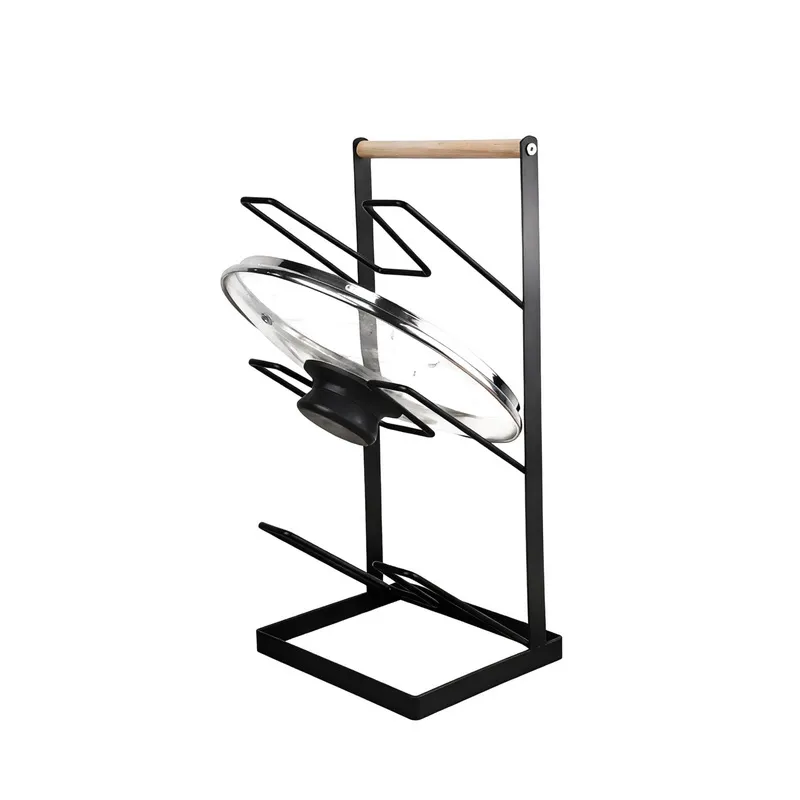
This is a common misconception.
1. Inconvenient access to items
2. Reduced stability
3. Blocking light
4. Visual clutter
The number of shelves in a kitchen storage shelf should be chosen reasonably based on usage habits and room height, rather than blindly pursuing multiple shelves.
• Countertop kitchen storage shelves: 2-3 shelves are more reasonable
• Floor-standing kitchen storage shelves: 3-5 shelves are common
Therefore, “appropriate number of shelves” is more important than “more shelves.”
The answer is yes.
• Condiments
• Tableware
• Kitchen tools
• Small appliances
• Categorized placement
• Zoned management
• Reduced clutter
• Lightweight items on the top shelf
• Frequently used items on the middle shelf
• Heavy items on the bottom shelf
This structure makes kitchen storage shelves more logical.
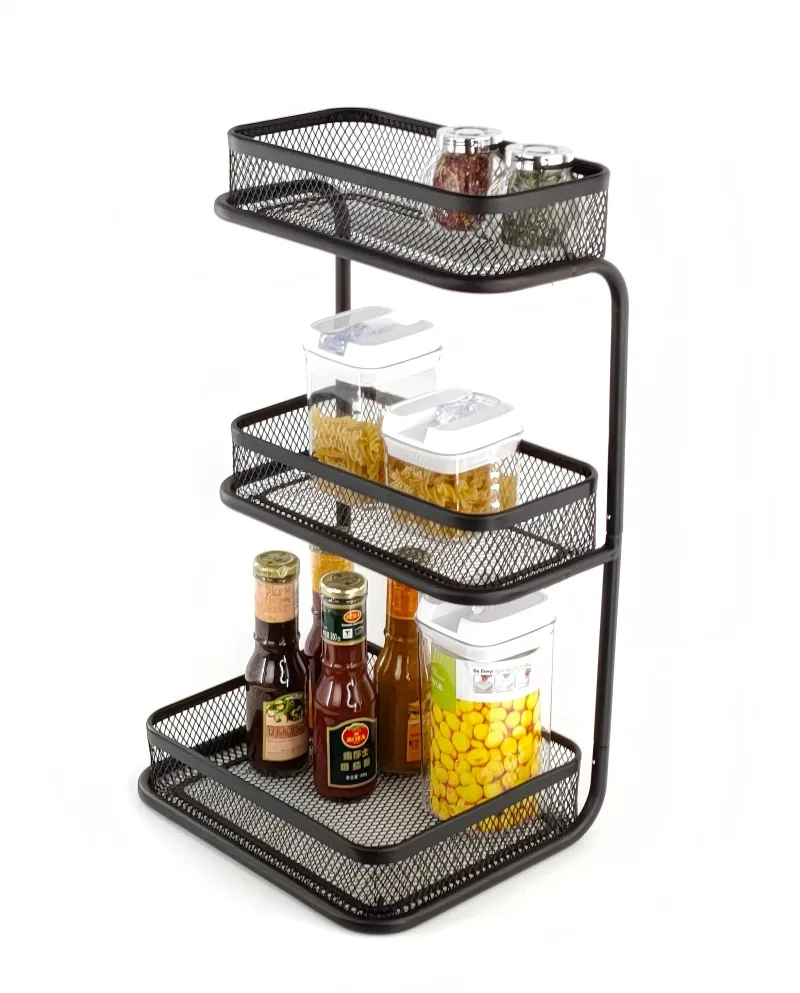
Multi-tiered kitchen storage shelves can increase countertop space, but height should be considered to avoid obstructing operations.
Wall-mounted multi-tiered kitchen storage shelves maximize vertical space, ideal for small kitchens.
Floor-standing multi-tiered kitchen storage shelves are suitable for storing appliances or large items.
Different areas have different requirements for the number of shelves.
A well-designed multi-tiered kitchen storage rack can optimize workflow; conversely, a poorly designed one will negatively impact operational efficiency.
• Place frequently used items on the middle shelves
• Place heavy items on the lower shelves
• Place infrequently used items on the upper shelves
An improperly designed multi-tiered kitchen storage rack layout may lead to frequent bending or reaching, reducing efficiency.
Increasing the number of shelves means increasing the load-bearing capacity.
• Reinforced supports
• Evenly distributed load structure
• Stable base
• Single-layer load-bearing capacity
• Overall structural stability
• Material strength
Otherwise, the more shelves, the greater the risk.
Theoretically, yes, but proper planning is essential.
• Reduce lateral space occupation
• Increase vertical utilization
However, if the height is too high or the layout is unreasonable, it may also lead to wasted space.
Therefore, the space optimization effect of kitchen storage shelves depends on the design, not the number of shelves themselves.
• Utilize vertical space
• Reduce countertop space
• Increase storage density
• Matching dimensions
• Reasonable number of shelves
• Not affecting workspace
Otherwise, it can make the kitchen appear more cramped.
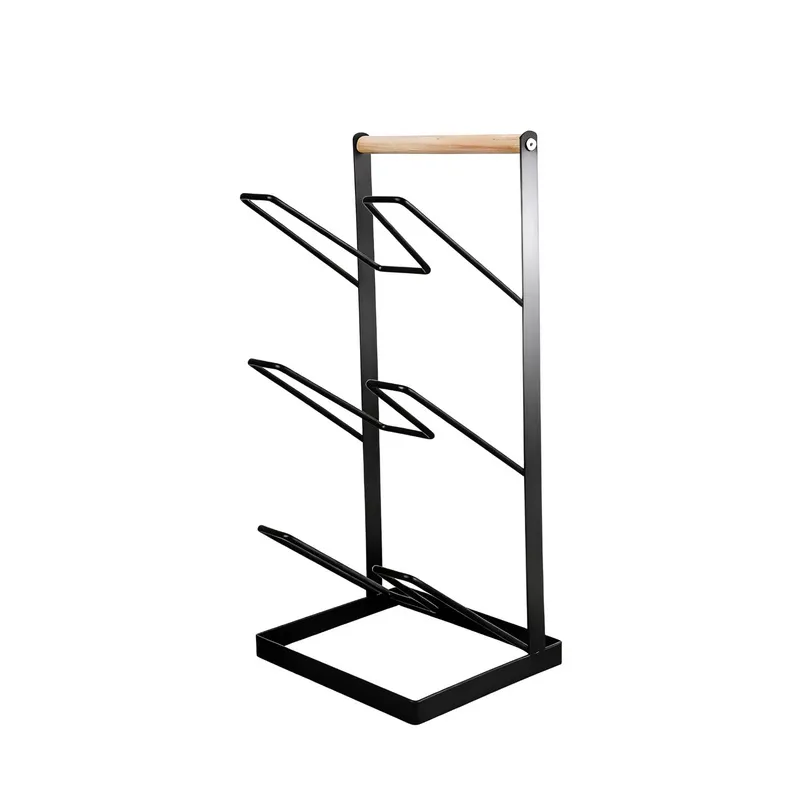
• Increased cleaning surfaces
• More corners
If the design is not well-planned, cleaning will be more difficult.
• Detachable structure
• Smooth surface material
• Well-ventilated kitchen storage shelves
This reduces maintenance difficulty.
The visual effect depends on the arrangement.
If the categories are clearly defined, multi-tiered kitchen storage shelves can appear neat and orderly; if piled up haphazardly, they will appear crowded.
Therefore, kitchen storage racks are not only storage tools but also visual management tools.
To leverage the advantages of multi-tiered kitchen storage racks, the following principles should be followed:
1. Rationally control the number of layers.
2. Layer according to usage frequency.
3. Maintain clear categorization.
4. Avoid over-stacking.
5. Organize regularly.
Only when used scientifically can multi-tiered kitchen storage racks truly realize their value.
Durability is a key focus in our factory production process. Each Bread Box, Kitchen Storage Rack, Wine Rack, and Trolley undergoes structural testing to ensure strength and long-term usage. As a professional China manufacturer, we use reinforced welding techniques and high-quality surface treatments. Our company prioritizes stable supply and reliable performance to support Wholesale Purchasing needs.
Buyers can confidently promote our products in retail sales channels knowing they meet durability expectations and maintain competitive prices.