In modern kitchens, an increasing number of households are prioritizing the proper sorting and preservation of food ingredients. Among various solutions, fruit and vegetable storage baskets have become widely popular for use on countertops or inside cabinets, thanks to their excellent ventilation structures and organizational capabilities.
However, a common question arises: Are fruit and vegetable storage baskets actually suitable for use inside the refrigerator?
Many people believe that placing these baskets directly into the fridge offers a dual benefit—achieving both neat organization and effective food preservation. Yet, from the perspective of food storage science and the specific characteristics of a refrigerated environment, this practice is not always advisable in every situation.
This article will systematically analyze whether fruit vegetable baskets are suitable for refrigerator use and provide guidance on how to use them correctly.
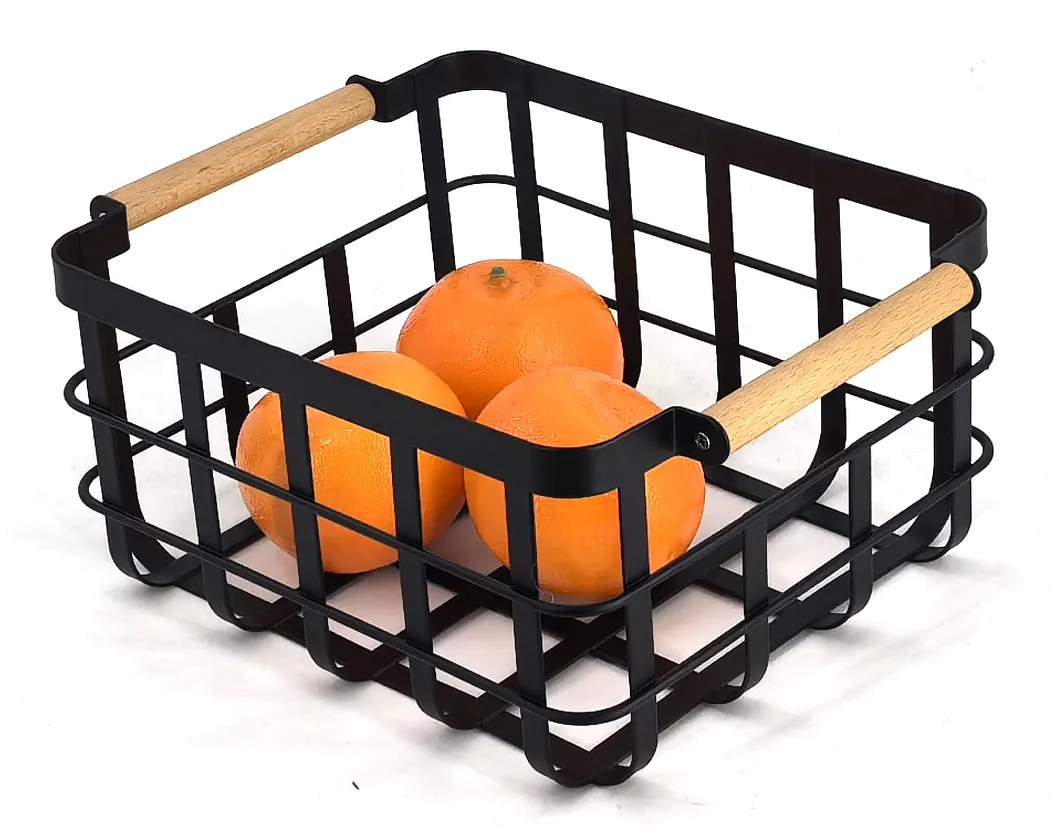
To determine whether fruit and vegetable storage baskets are suitable for the fridge, one must first understand the specific environmental characteristics found inside a refrigerator.
•Low temperatures (approximately 2°C to 8°C)
•High humidity levels
•Limited air circulation
•Presence of condensation
•Moisture tends to condense easily on surfaces.
•Excess humidity is slow to dissipate.
•Certain fruits and vegetables may suffer from “chilling injury.”
Therefore, a refrigerator is not merely a simple “cold storage space,” but rather a complex environment characterized by intricate interactions between humidity and temperature.
The core design philosophy behind fruit vegetable baskets centers on two key principles: “ventilation” and “organization.”
•Promoting air circulation
•Minimizing moisture accumulation
•Preventing ingredients from being crushed or bruised
•Enabling categorized storage
In a room-temperature environment, these baskets effectively reduce localized humidity levels and help delay spoilage.
However, when introduced into the specific environment of a refrigerator, it remains to be seen—and requires further analysis—whether these inherent advantages still hold true.
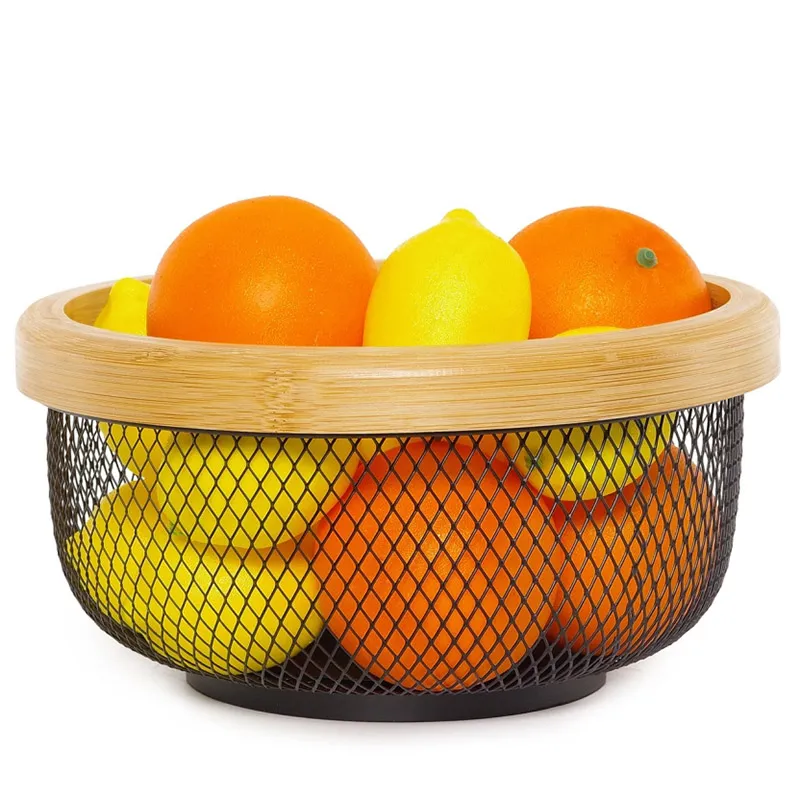
The answer is: Yes, it does have an impact—though whether that impact is positive or negative depends on the specific circumstances and requires a detailed analysis.
•Facilitates compartmentalized storage
•Prevents ingredients from being stacked on top of one another
•Makes items easier to access
•The ventilated structure may lead to moisture loss
•Cold air comes into direct contact with the ingredients
•Accelerates the dehydration of certain vegetables
Therefore, the effectiveness of using a fruit and vegetable storage basket in a refrigerator depends on the specific type of produce being stored and how the basket is utilized.
This is a common concern.
The circulation of cold air within a refrigerator tends to draw moisture away. If the fruit vegetable basket features an open-structure design:
•Leafy greens may lose moisture rapidly
•Their surfaces may dry out and wither
•Their texture and quality may deteriorate
In contrast, airtight food containers are effective at locking in moisture.
Therefore, for produce such as:
•Lettuce
•Spinach
•Cilantro (Coriander)
—specifically, leafy greens with a high water content—it is generally not recommended to place them directly into an open-style fruit and vegetable storage basket.
Condensation is a common phenomenon inside refrigerators.
When temperature differences exist, water vapor can condense on the surface of food items, leading to:
•Damp surfaces
•Bacterial growth
•Accelerated spoilage
Due to their ventilated design, fruit and vegetable storage baskets can, to a certain extent:
•Reduce moisture accumulation
•Lower localized humidity levels
However, this benefit is contingent upon having good air circulation within the refrigerator itself.
Consequently, fruit vegetable baskets offer distinct advantages when it comes to preventing the pooling of water.
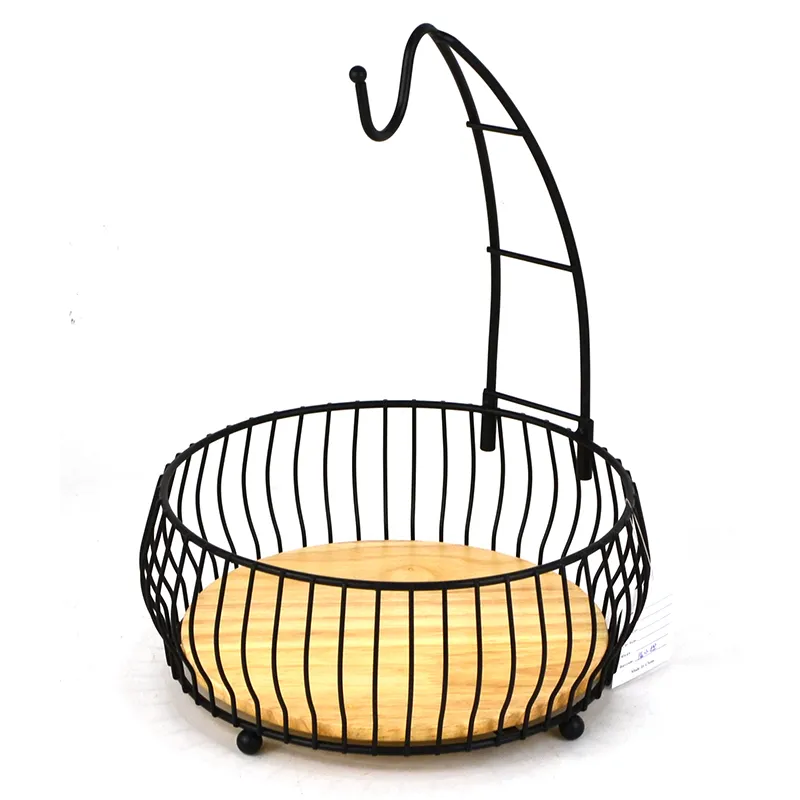
Fruits that are well-suited for placement in a fruit and vegetable storage basket within the refrigerator include:
•Apples
•Pears
•Grapes
•Blueberries
These fruits adapt well to low temperatures and are less prone to moisture loss caused by air circulation.
Fruit and vegetable storage baskets can help to:
•Categorize and organize produce
•Prevent bruising caused by compression
•Improve the overall tidiness of the refrigerator
Vegetables that are not suitable include:
•Lettuce
•Spinach
•Celery
•Cilantro (Coriander)
These vegetables have a high water content and require relatively high humidity levels to remain fresh.
If placed in an open-style fruit vegetable basket within the refrigerator, produce is prone to:
•Losing moisture
•Becoming soft
•Suffering a decline in texture and flavor
Therefore, priority should be given to using sealed or semi-sealed containers.
•Crisper drawers: Higher humidity levels
•Upper shelves: Stronger airflow
•Crisper drawers (for organizational partitioning)
•Or areas with moderate airflow
Avoid placing them directly in front of strong cold air vents.
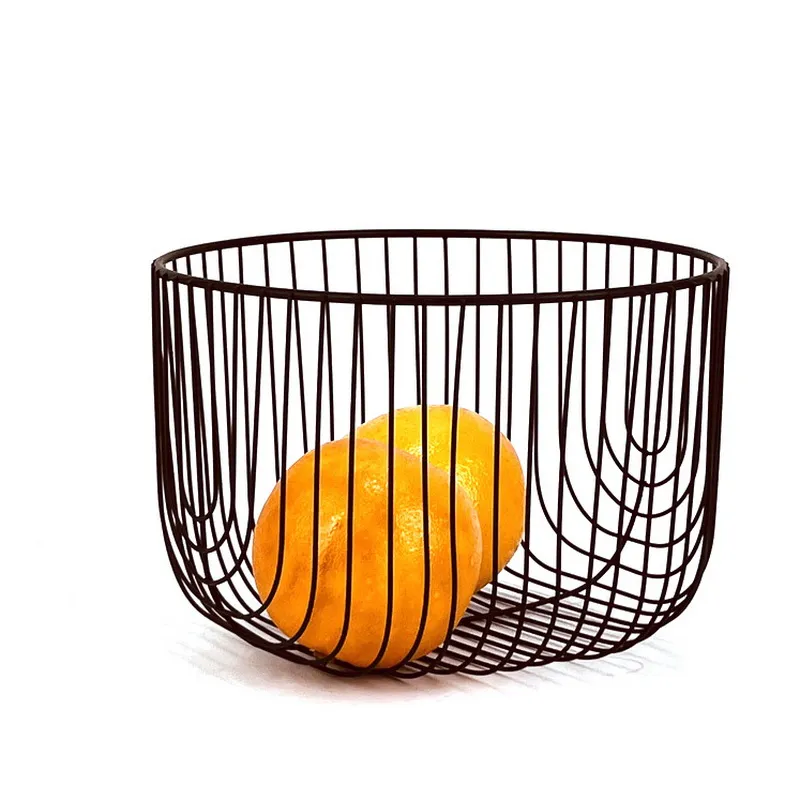
The material plays a significant role in overall effectiveness.
•Lightweight
•Non-absorbent
•Well-suited for refrigerator use
•Highly conductive of cold
•Prone to condensation buildup
•Moisture-absorbent
•Unsuitable for the high-humidity environment of a refrigerator
Therefore, when using storage baskets within a refrigerator, plastic materials are the most suitable choice.
Whether or not they are necessary depends on your specific needs:
•Categorization and organization
•Maximizing space utilization
Then fruit and vegetable storage baskets are a valuable asset.
•Maximizing moisture retention
•Extending freshness and shelf life
Then they should be used in conjunction with sealed containers.
The Final Verdict
✔ Fruit and vegetable storage baskets can be placed in the refrigerator.
✔ They are ideal for sorting and organizing items.
✔ They are not suitable for directly storing vegetables with high water content.
✔ The material and structure of the basket influence its effectiveness.
✔ The method of usage determines the level of freshness preservation.
Therefore, the answer is:
Fruit and vegetable storage baskets can be kept in the refrigerator, provided they are used judiciously based on the specific type of produce being stored.
Yes, one of our strengths is multi-category Supply integration. Customers can source Bread Boxes, Wine Racks, Coffee Capsule Holders, Paper Roll Holders, Kitchen Storage Racks, and Trolleys within one coordinated order. This simplifies Purchasing management and reduces shipping costs. As a professional China Supplier and Manufacturer, our Company consolidates production planning across our Factory network to maintain consistent quality and timely delivery.