In daily life, many people encounter this question: Is it better to store bread in the refrigerator or a bread box? Some people believe that refrigerators can extend shelf life, while others insist on using bread storage boxes for room temperature storage.
So, from the perspective of food science and practical storage principles, which method is more scientific and reasonable?
This article will systematically analyze the advantages and disadvantages of refrigerator storage versus bread box storage to help you make a more informed choice.
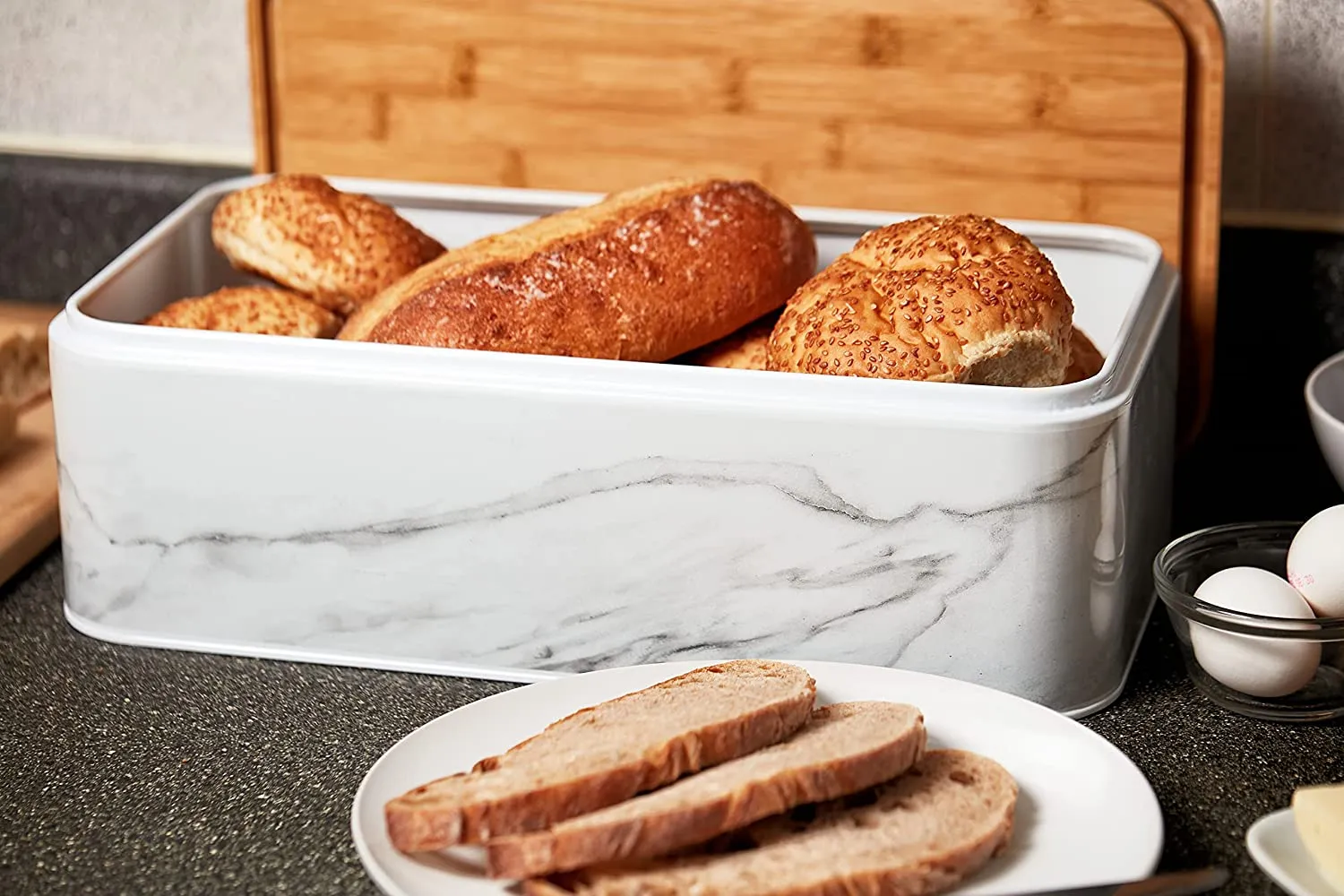
Before discussing “refrigerator or bread storage box is better,” we must first understand the fundamental reasons for bread spoilage.
1. Starch retrogradation
2. Moisture loss
Starch retrogradation is the key to hardening.
Many people mistakenly believe that bread hardens because of moisture evaporation. In fact, the real core reason is that starch molecules rearrange themselves at low temperatures, forming a more stable crystalline structure, thus causing the bread to harden.
This phenomenon is most pronounced between 0℃ and 10℃.
Refrigerator temperatures are typically around 4°C, which is within the peak range for starch retrogradation.
Therefore, from a scientific perspective, refrigerators are not suitable for short-term bread storage.
Compared to refrigerators, the core advantage of a bread box lies in its “room temperature microenvironment management.”
• Reduce air circulation
• Stabilize internal humidity
• Avoid direct sunlight
• Slow down moisture evaporation
At room temperature (18–25°C), starch retrogradation occurs much slower than in a refrigerated environment. Therefore, bread boxes can better maintain bread’s softness in the short term.
This is a very common misconception.
• Inhibits mold growth
• Reduces the rate of microbial reproduction
• Accelerates starch retrogradation
• Bread hardens quickly
• Moisture redistributes at low temperatures
• Significantly reduces texture
If bread is to be eaten within 1–2 days, refrigerating it will actually cause it to lose its softness faster.
Therefore, a refrigerator is not an ideal method for short-term storage.
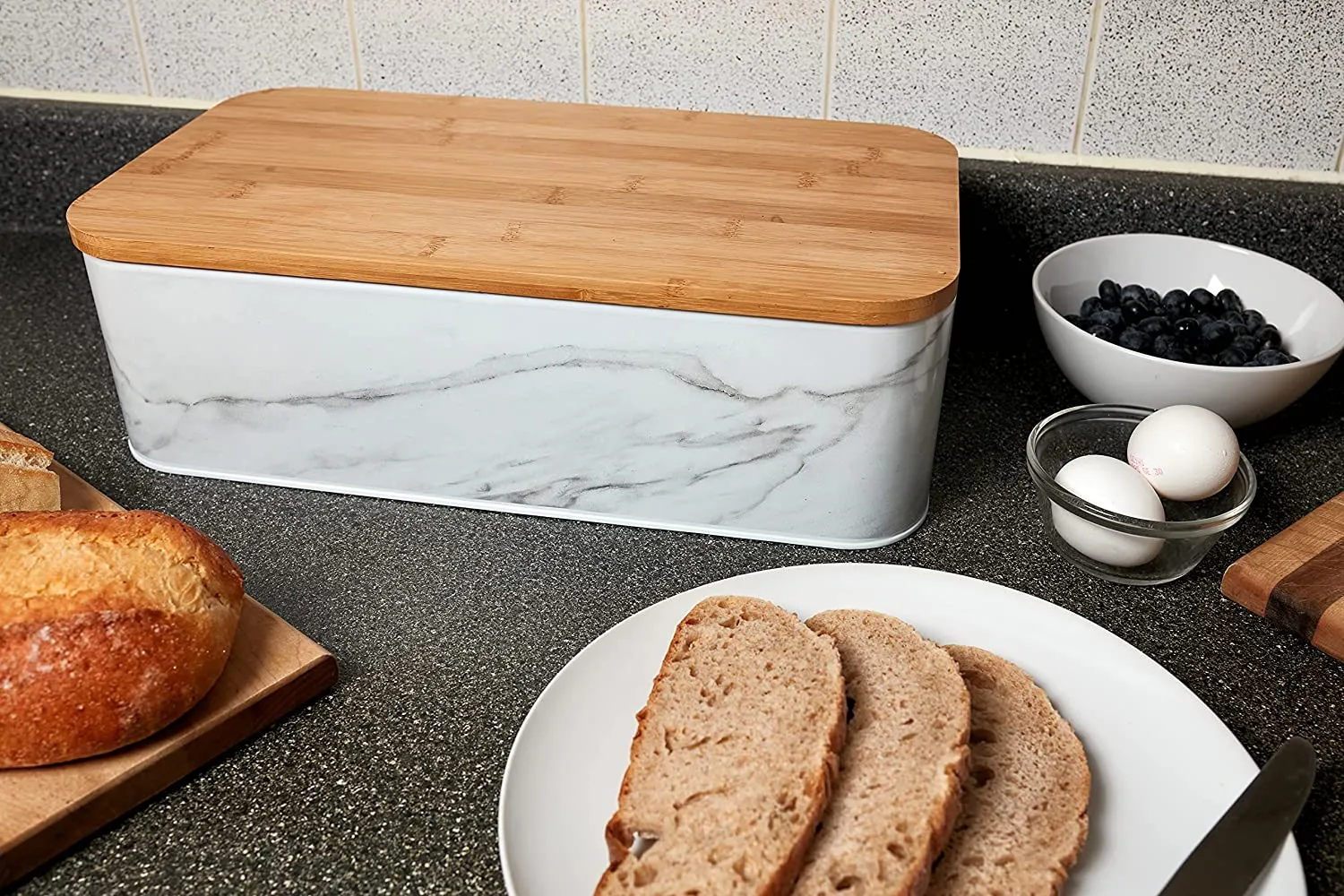
Many people worry that bread will mold if stored at room temperature.
• High humidity
• A warm environment
• A long period of time
High-quality bread storage boxes usually use a “micro-ventilation design,” which controls airflow while preventing moisture buildup.
• The bread is completely cooled before placing it in the box
• The bread storage box is kept clean
• It is not placed in a high-humidity environment
The risk of mold growth is low within 1-3 days at room temperature.
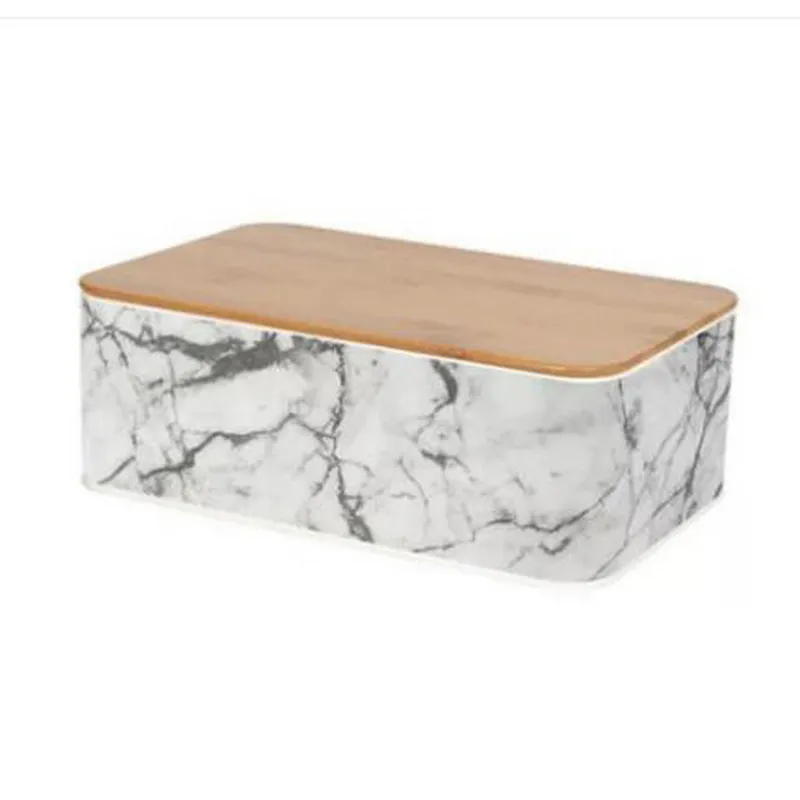
If you plan to consume it within 48 hours:
✔ A bread storage box is better than a refrigerator
Reasons:
• Slows down moisture loss
• Does not accelerate starch retrogradation
• Maintains a soft texture
Refrigeration will cause bread to harden significantly within a few hours.
Therefore, a bread storage box is recommended for short-term storage.
• Refrigeration ❌ Not recommended
• Freezing ✔ Recommended
Freezing temperatures (-18℃) can significantly slow down starch retrogradation.
Bread storage boxes are not suitable for long-term storage, but can be used as temporary storage before freezing.
Therefore, the storage time determines the choice of method.
Bread storage boxes effectively slow down moisture evaporation.
A bread storage box with a reasonable ventilation structure is needed to avoid condensation.
In contrast, although refrigerators have high humidity, the low temperature will still accelerate hardening.
Sliced bread has a large surface area, so it loses moisture faster.
• Hardens faster
• Significantly deteriorates in texture
• Slows down moisture evaporation
• Remains soft for longer
Therefore, sliced bread is more suitable for short-term storage in a bread storage box.
Material affects humidity stability.
• Non-absorbent
• Easy to clean
• Structurally stable
• Has some moisture absorption capacity
• Regulates humidity
Regardless of the material, the key is whether the structural design is reasonable.
• Starch crystallization
• Tissue shrinkage
• Moisture redistribution
Even reheating makes it difficult to restore the original texture.
Storing bread in a bread box at room temperature helps maintain a more natural texture.
• Toast
• Baguettes
• European-style bread
• Dinner rolls
• Breads with cream fillings
• High-moisture sweet breads
These should be refrigerated or frozen.
Comparison Items | Refrigeration | Bread storage box |
| Hardening Speed | Fast | Slow |
| Maintaining Softness | Poor | Good |
| Risk of Mold | Low | Low (short-term) |
| Suitable Time | Transition before long-term freezing | Short-term storage |
| Maintaining Texture | Poor | Excellent |
From a taste and texture perspective, bread storage boxes are more suitable for daily short-term storage.
If the question is “for daily consumption within 1-2 days”:
✔ Choose a bread storage box.
If the question is “for storage beyond 3 days”:
✔ Freezing is better.
✘ Refrigeration is not recommended.
Therefore, from a food science perspective:
• Refrigeration accelerates starch retrogradation.
• Bread storage boxes better maintain texture at room temperature.
Bread boxes are a more scientifically sound choice for short-term bread storage.
Yes, building stable and long-term partnerships is a core objective of our Company. With over 30 years of experience in China’s metal household product industry, we understand the importance of consistent Supply, reliable Prices, and high quality standards. Many clients continuously Purchase Bread Boxes, Fruit Storage Baskets, Dish Racks, and Wine Racks from us for repeated Wholesale Sales cycles.