Bread storage boxes are a common food storage tool in everyday kitchen organization. However, many people wonder: will putting bread in a bread storage box make it more prone to mold due to poor air circulation?
This question seems reasonable, but from a food science and environmental control perspective, the answer is clear—bread boxes will not make bread mold faster, provided they are used correctly and the structure is designed properly.
In fact, bread storage boxes are designed to maintain a balance between humidity, air circulation, and light, thereby slowing down mold growth and moisture loss.
This article will systematically analyze this from multiple aspects, including the mechanism of mold formation, humidity control principles, and ventilation structure design.
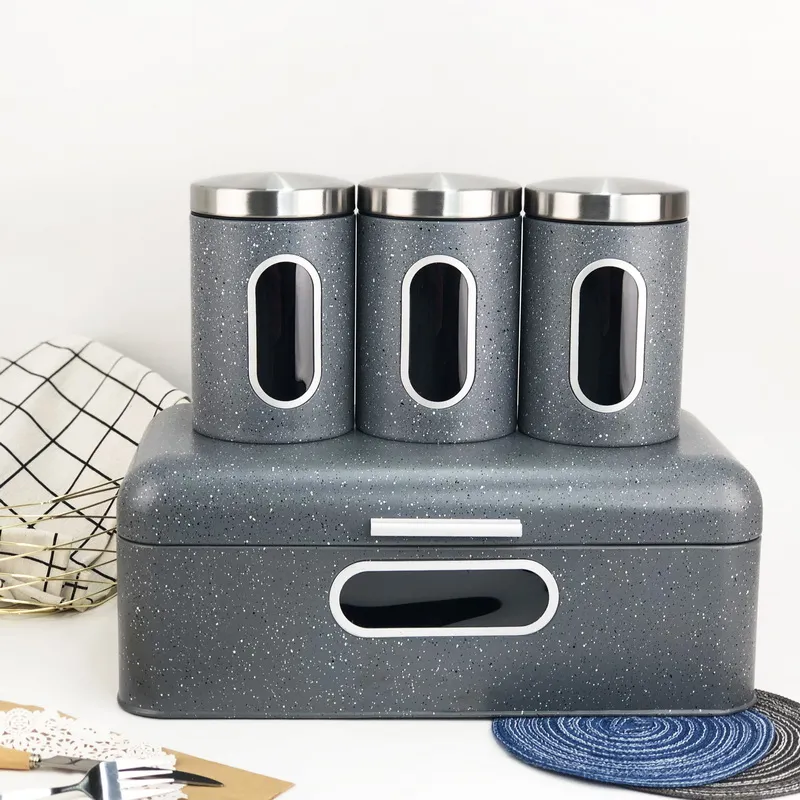
Before discussing whether bread boxes accelerate mold growth, we must first understand the conditions for mold formation.
1. Moisture
2. Suitable temperature
3. Mold spores in the air
Bread itself contains moisture, making it an ideal breeding ground for mold at room temperature. If the storage environment is too humid or poorly ventilated, mold growth will accelerate.
This is why many people worry that using a bread storage box will “suffocate” the bread, leading to mold growth.
No.
A well-designed bread box will not accelerate mold growth; in fact, it can help slow down the mold process.
The reasons are as follows:
Bread completely exposed to air is affected by fluctuations in external humidity. If the ambient humidity is high, the bread easily absorbs moisture from the air, increasing the risk of mold growth.
Bread boxes, through their relatively enclosed structure, stabilize internal humidity, reducing the impact of external humidity changes on the bread.
A large number of mold spores exist in the air. Exposed bread is more susceptible to mold spores.
A bread storage box acts as a physical barrier, reducing the probability of spores directly landing on the bread surface.
Light accelerates temperature increases, creating a more suitable environment for mold growth. Bread boxes provide light protection, helping to stabilize the storage environment.
Therefore, using a bread storage box correctly will not cause bread to mold faster.
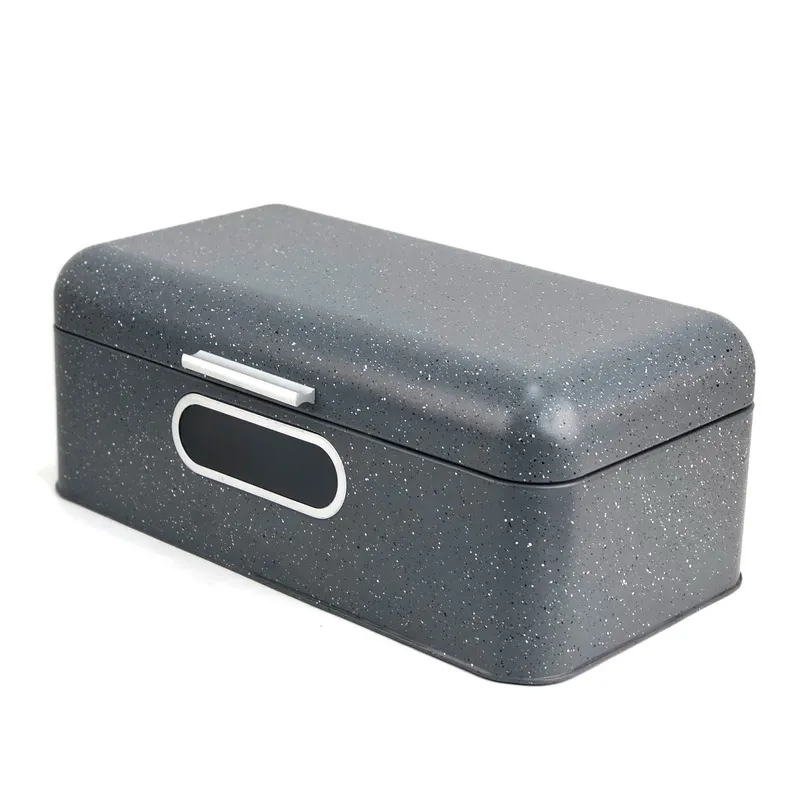
This misconception usually stems from the following reasons:
Ordinary sealed containers emphasize airtightness, while professional bread storage boxes emphasize humidity balance. If bread is placed in a completely sealed plastic box, moisture cannot escape, resulting in excessively high internal humidity, naturally increasing the risk of mold.
However, this is not a problem with the bread box itself, but rather an incorrect choice of container.
Freshly baked bread still releases moisture. If immediately placed in a bread box, the internal moisture rises rapidly, easily forming condensation.
The correct procedure is to place the bread in the bread box only after it has completely cooled.
If bread crumbs or moisture remain inside the bread box, it can become a breeding ground for mold spores.
Regular cleaning of the bread storage box is essential.
Moderate ventilation prevents moisture buildup, but avoids continuous rapid airflow.
High-quality bread storage boxes typically have a micro-ventilation structure, neither overly sealed nor overly open.
Bread storage boxes can reduce temperature fluctuations. Large temperature differences can lead to condensation, which is a breeding ground for mold.
Bread storage boxes are not completely airtight; they are designed with “limited ventilation” to maintain a relatively stable internal environment.
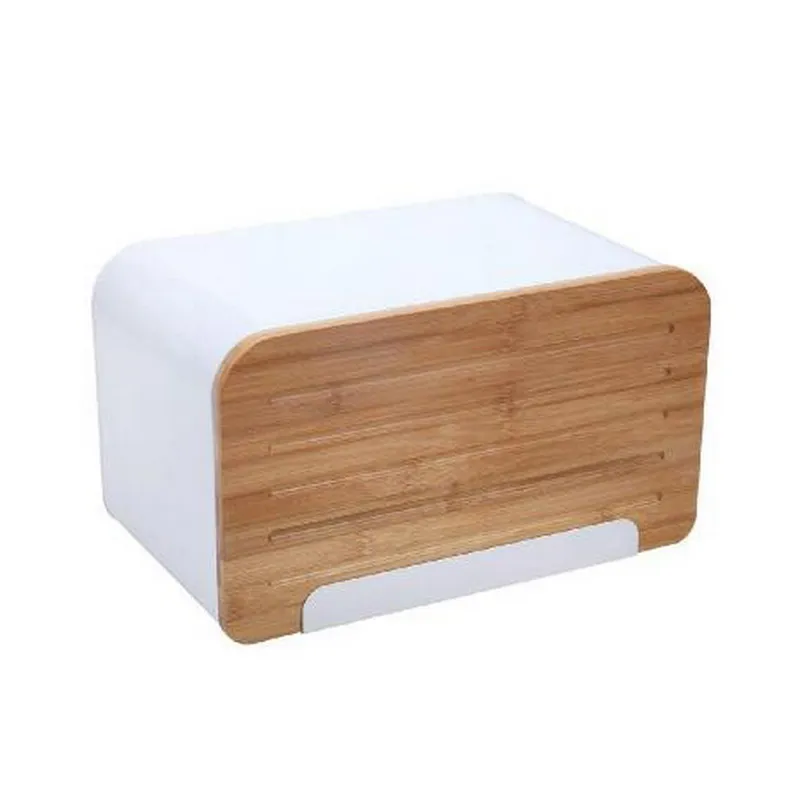
Advantages:
• Good light-blocking properties
• Sturdy structure
If designed with ventilation holes, it can effectively control humidity.
Wood has natural micro-permeability, which helps regulate humidity.
Wooden bread storage boxes perform relatively stably in terms of humidity balance.
Completely sealed boxes may have higher moisture content; if designed with ventilation, they are more effective.
Ceramic has some breathability and good light-blocking properties, making it one of the more ideal materials for bread boxes.
Many people are used to putting bread in plastic bags.
• Completely sealed
• Prone to moisture buildup
• Large internal temperature difference
In comparison, bread storage boxes are superior in terms of air control and structural stability.
Therefore, from a mold prevention perspective, bread boxes are better than ordinary plastic bags.
In areas with high humidity, exposed bread is more prone to absorbing moisture and molding.
• Reduce direct contact with external moisture
• Stabilize the internal environment
• Reduce the chance of mold growth
In high humidity environments, using a bread storage box is actually more necessary.
Generally not recommended.
Desiccants may cause bread to lose moisture too quickly, affecting its taste.
The bread box itself should control humidity through its structural design, rather than relying on external additives.
To ensure that the bread box does not accelerate mold growth, pay attention to the following:
1. Allow bread to cool completely before storing.
2. Do not store damp or contaminated bread.
3. Clean the bread storage box regularly.
4. Avoid direct sunlight.
5. Keep the storage environment dry.
Proper use is key.
• To prevent excessive moisture loss
• To control humidity
• To block light
• To reduce the probability of mold spores coming into contact with the air
It is not a container that creates moisture, but rather a humidity balancing system.
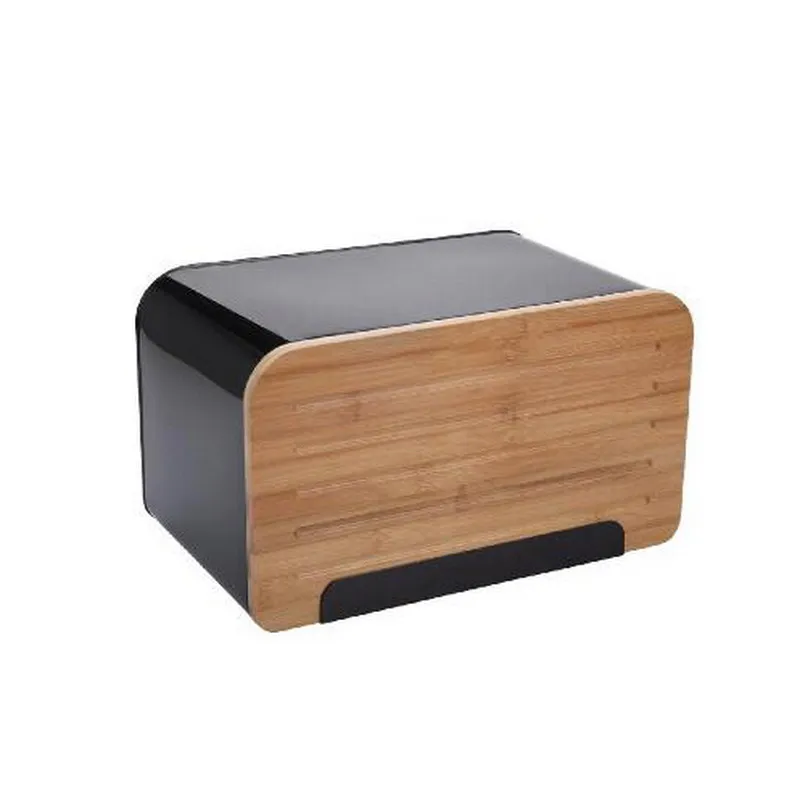
—No.
As long as you choose a properly designed bread box with adequate ventilation and use it correctly, it will not only not accelerate mold growth, but it can actually extend the shelf life of bread.
Misconceptions often stem from incorrect use or the use of unsuitable containers. Professional bread storage boxes are rationally designed for humidity control, air circulation, and light protection, providing a more stable storage environment for bread.
Therefore, if you want to reduce the risk of bread mold and improve storage quality, choosing and using a bread storage box correctly is a scientific and effective approach.
With more than three decades in the industry, our Company has extensive export experience serving Europe, North America, and other global markets. As a certified China Manufacturer with AEO Advanced status, we ensure smooth customs clearance and efficient logistics coordination. Our Bread Boxes, Wine Racks, Coffee Capsule Holders, and Kitchen Storage Racks meet international quality requirements. We understand the compliance standards required by different countries, helping buyers reduce risk when Purchasing from China.